
Hot water is something most people take for granted—until it runs out. Traditional water heaters often struggle to keep up with demand, waste energy, and take up valuable space. As energy costs rise and homeowners look for smarter solutions, tankless water heaters are quickly becoming a popular upgrade. They promise endless hot water, lower bills, and better efficiency. But how do they actually deliver on these claims?
Understanding how tankless systems work—and why they outperform traditional tanks—can help you make a more informed decision for your home.
What Makes Tankless Water Heaters Different?
A traditional water heater stores hot water in a tank, keeping it heated at all times. This means energy is constantly being used, even when no one is using hot water. That standby energy loss adds up over time.
Tankless water heaters, on the other hand, heat water only when needed. When you turn on a tap, cold water passes through a heating element that instantly warms it. There is no storage, no waiting, and no wasted energy keeping unused water hot.
This on-demand system is what makes tankless units significantly more efficient. You only use energy when you actually need hot water.
Lower Energy Bills Over Time
Energy efficiency directly translates into cost savings. While tankless systems may have a higher upfront cost, the long-term savings often make up for it.
By eliminating standby heat loss and reducing energy consumption, homeowners can expect lower monthly energy bills. Over several years, these savings can offset the initial investment.
For homeowners considering upgrades, exploring options like tankless water heater installation in Staten Island can be a practical step toward reducing ongoing energy expenses while improving comfort.
Improved Energy Efficiency in Everyday Use
One of the biggest advantages of tankless water heaters is their energy efficiency. Because they operate only when required, they avoid the constant energy drain associated with traditional systems.
In practical terms, this can lead to noticeable savings on your utility bills. Households that use moderate amounts of hot water often see reduced energy consumption compared to tank-based systems.
The efficiency becomes even more apparent over time. Instead of reheating stored water repeatedly throughout the day, a tankless system delivers heat precisely when needed, reducing unnecessary energy use.
Endless Hot Water Without Waste
One common frustration with traditional water heaters is running out of hot water. Whether it is during back-to-back showers or when using multiple appliances, the supply can quickly be exhausted.
Tankless systems solve this issue by providing a continuous flow of hot water. Because water is heated on demand, there is no limit to how much hot water you can use.
This not only improves convenience but also prevents energy waste. You are not heating more water than necessary or waiting for a tank to refill and reheat.
Reduced Environmental Impact
As more households focus on sustainability, energy-efficient appliances are becoming essential. Tankless water heaters contribute to a lower environmental footprint by using less energy overall, making tankless water heater installation in Staten Island a practical choice for eco-conscious homeowners looking to reduce both energy use and long-term environmental impact.
Lower energy consumption means fewer greenhouse gas emissions, especially in homes powered by fossil fuels. Over time, switching to a tankless system can significantly reduce your household’s environmental impact.
Additionally, tankless units often last longer than traditional water heaters. With a longer lifespan, there is less waste from discarded appliances, further supporting sustainable living.
Space-Saving Design for Modern Homes
Beyond efficiency, tankless water heaters also offer practical design benefits. Traditional tanks are bulky and require dedicated space, often in basements or utility rooms.
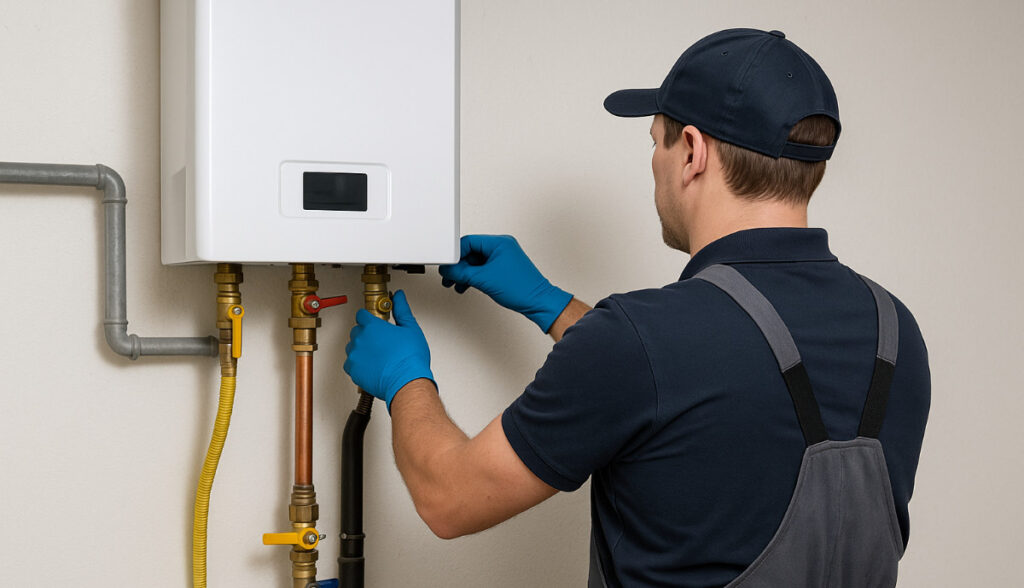
Tankless units are compact and can be mounted on walls, freeing up valuable space in your home. This makes them ideal for smaller homes, apartments, or modern layouts where space is limited.
The combination of efficiency and space-saving design makes them a smart choice for both new builds and renovations.
Longer Lifespan and Lower Maintenance
Another advantage of tankless water heaters is their durability. Traditional water heaters typically last around 8 to 12 years, while tankless systems can last up to 20 years or more with proper care.
Because they do not store water, there is less risk of corrosion and sediment buildup. This reduces maintenance needs and extends the system’s lifespan.
Routine servicing remains important, but overall, tankless systems tend to require fewer repairs and replacements, which adds to their long-term value.
Is a Tankless System Right for You?
While tankless water heaters offer many benefits, they are not a one-size-fits-all solution. The suitability depends on your household size, water usage, and existing plumbing setup.
For smaller households or those looking to improve efficiency, tankless systems are often an excellent choice. Larger homes may require multiple units to meet demand, which can increase upfront costs.
Consulting a professional can help determine the best setup for your specific needs and ensure you get the most out of your investment.
Conclusion
Tankless water heaters are changing the way homes use hot water. By heating water only when needed, they eliminate energy waste, lower utility bills, and provide a continuous supply of hot water. Their compact design and long lifespan add even more value.
For homeowners looking to improve efficiency and reduce energy consumption, switching to a tankless system is a smart and forward-thinking decision. It is not just about convenience—it is about creating a more efficient, sustainable home for the future.