
Modern apartment life appeals to many seniors who prize convenience, security, and a friendly neighbor or two. Yet, thin walls, shared corridors, and busy streets can turn casual sounds into nightly disruptions. While senior living communities often incorporate specialized acoustic insulation, standard apartment buildings rarely reach the same standard.
Knowing how sound behaves, what regulations exist, and which simple adjustments truly help empowers seniors to safeguard restful sleep and daily peace.
Building Anatomy Shapes Everyday Sound
Apartment construction materials set the tone—literally. Solid concrete or brick walls absorb vibration, so upstairs footsteps feel distant rather than jarring. By contrast, lightweight wood-frame buildings amplify every cupboard slam and TV laugh track. Floor coverings matter as well; plush carpeting muffles impact noises, whereas tile, laminate, and bare hardwood reflect sound straight into neighboring units.
Even ceiling height influences echo, with taller ceilings allowing noise to disperse before it settles on sensitive ears. Seniors touring potential residences gain valuable insight by visiting during dinner rush, when conversations, appliances, and hallway traffic reach a peak. Observing how those sounds carry offers a realistic preview of nightly ambience before a lease is signed.
Understanding Local Noise Regulations
Every municipality enforces decibel thresholds and quiet-hour ordinances, yet the details vary block by block. Seniors benefit from checking city codes, building handbooks, and homeowners-association rules to learn exactly when “quiet time” begins and what volume counts as excessive. In some jurisdictions, repeated violations trigger escalating fines; in others, enforcement hinges on documented measurements.
A basic smartphone decibel-meter app can capture time-stamped readings should formal complaints become necessary. Armed with clear evidence, seniors approach property managers or mediation boards with confidence, framing grievances as objective facts instead of subjective gripes. Knowing the law turns frustration into an action plan—and often prevents drawn-out neighbor disputes.
Practical Sound-Reduction Strategies
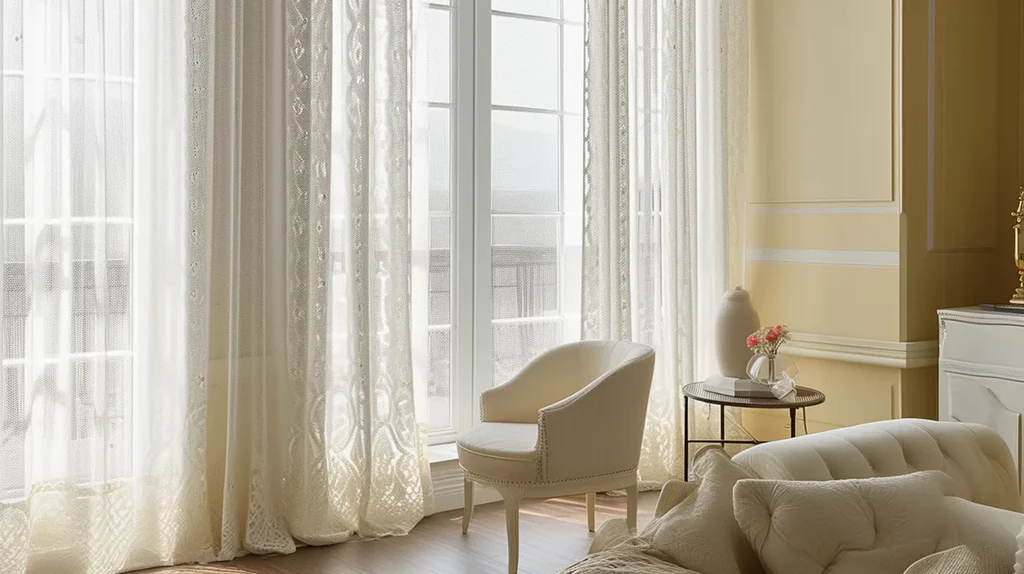
A few budget-friendly upgrades tame intrusive noise without full-scale renovation. Thick, floor-to-ceiling blackout curtains block street traffic hum while dampening interior echoes from bare glass panes. Strategic area rugs layered over dense underlays hush both heel clicks inside and voices drifting from below.
Bookshelves packed with well-loved paperbacks double as acoustic baffles, absorbing mid-frequency chatter that seeps through adjoining walls. Seniors vexed by appliance rumbles can slip anti-vibration pads beneath refrigerators or washing machines, cutting low-frequency hum at its source. Even simple draft stoppers along door bottoms reduce hallway conversations and elevator dings, proving that modest measures can yield surprisingly tranquil results.
Communicating with Courtesy and Clarity
Polite, timely dialogue resolves many disturbances before tempers flare. Seniors approaching noise-generating neighbors gain traction by describing specific effects—such as disrupted medication schedules or restless sleep—rather than assigning blame. Suggesting mutually beneficial quiet windows, like late evenings for reading or early mornings for exercise equipment, frames the conversation as cooperative problem-solving.
If face-to-face contact feels daunting, a courteous note outlining concerns and proposed compromises maintains goodwill while setting expectations in writing. Should diplomacy falter, seniors can escalate through official channels—resident councils, property managers, or local mediation services—armed with documented dates, times, and decibel readings to keep the process fact-based.
Conclusion
Prolonged exposure to unwanted noise elevates stress hormones, hinders cognition, and disturbs rest—effects seniors can ill afford. By evaluating building construction, mastering local regulations, applying targeted soundproofing tactics, and maintaining respectful communication, seniors transform ordinary apartments into havens of calm.
A measured approach today secures quieter tomorrows, ensuring each cherished evening—whether filled with music, conversation, or blissful silence—remains firmly within their control.