
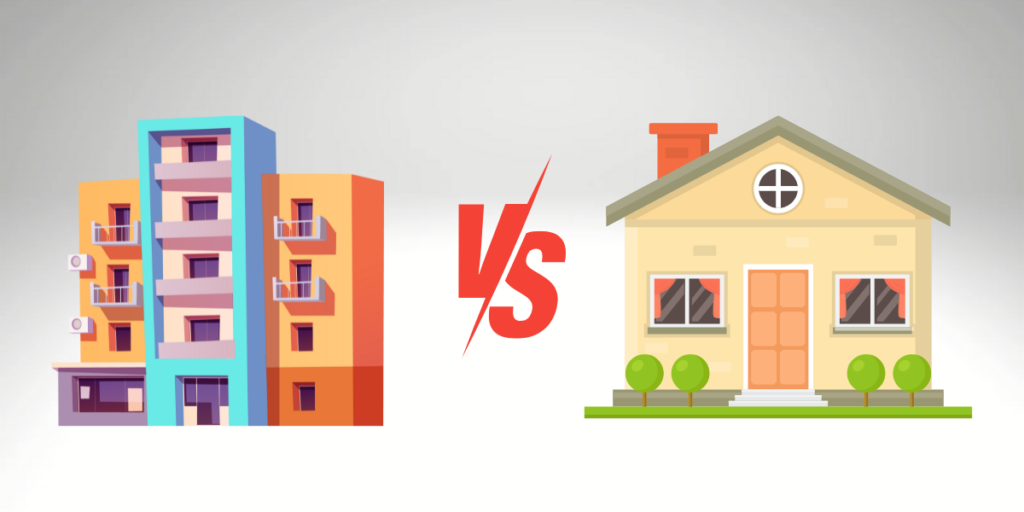
If you’ve been looking at the Ilford property market recently, you’ve probably noticed something interesting — the conversation around flats versus houses is coming up again and again. Buyers, landlords, and even long-time homeowners are asking the same question. With prices rising and the area changing quickly, people want to know where the smart money goes next. When people explore Property services from estate agents in Ilford, this question usually sits right at the centre of the discussion. And to be fair, there isn’t a single universal answer — it depends on what you’re trying to achieve.
Still, if we look closely at how Ilford is evolving in 2026, some clear patterns are emerging.
The Ilford Property Market in 2026
Ilford has been steadily climbing back into the spotlight over the past few years. A lot of this is tied to infrastructure. The Elizabeth Line has dramatically shortened travel times into central London, which has made the area far more attractive to commuters.
Prices reflect that shift.
Average property values in Ilford now sit roughly around £525,000–£532,000, marking a year-on-year rise of about 7.7%. It’s not the frantic price jumps we saw during the pandemic boom, but the growth is stable — and that tends to attract long-term investors.
What we’re seeing locally is a more balanced market. Properties that are realistically priced tend to sell within three to six weeks, especially near stations like Ilford and Seven Kings. Buyers are active again, but they’re also more selective.
And that’s where the flat versus house debate becomes relevant.
Why Houses Often Win for Long-Term Growth
If you’re thinking about capital appreciation — the long game — houses in Ilford usually have the edge.
The simple reason is land.
When you buy a house, you’re not just buying the building. You’re buying the plot it sits on. Over time, that land tends to gain value, particularly in areas undergoing regeneration. Ilford is seeing exactly that, with continued investment flowing into East London.
Terraced houses are especially popular here. The average price for a terraced property sits around £518,000, and family buyers keep the demand steady.
We see this quite often: families moving out from smaller flats in Stratford or Forest Gate and looking for a bit more space without leaving the Elizabeth Line corridor.
Neighbourhoods around Newbury Park and IG2 are good examples. These areas attract buyers who want schools, parks, and a quieter residential feel. Three-bedroom houses there regularly achieve £2,300–£2,800 per month in rent, which is strong for landlords, but the real attraction tends to be stability.
Families stay longer.
That means fewer void periods and more predictable income.
Why Flats Can Deliver Stronger Rental Yields
Now, flats tell a different story.
While they may not always match houses for long-term capital growth, they often outperform when it comes to rental yield and entry affordability.
In Ilford, two-bedroom flats generally sit between £320,000 and £400,000, which makes them accessible to investors who may not want to commit to a half-million-pound purchase.
And demand for these properties is consistent.
Young professionals commuting into Canary Wharf, Liverpool Street, or Tottenham Court Road are a major tenant group here. With the Elizabeth Line, the journey is quick enough that Ilford suddenly feels much closer to central London than it did a decade ago.
In the IG1 postcode, flats are particularly attractive for investors. Many newer developments cater specifically to the rental market, and some modern buildings are achieving rents between £1,450 and £2,650 per month.
That’s strong cash flow.
But there’s a detail many investors overlook.
Service charges.
New-build developments sometimes come with substantial annual maintenance costs. If those climb too high, they can eat into your net rental yield. It’s something we always advise buyers to check carefully.
Location Matters More Than Property Type
One thing that often gets lost in the flat versus house debate is location.
In Ilford, micro-markets behave very differently.
IG1, near Ilford station, tends to attract renters first. Flats perform extremely well here because tenants prioritise convenience and transport links.
IG2, around Newbury Park and Gants Hill, leans more towards owner-occupiers and families. Houses dominate the market here because space, schools, and long-term stability matter more than proximity to nightlife or the City.
Buyers usually ask about this difference once they start viewing properties.
It’s not unusual to see a landlord build a portfolio strategy around it — flats for cash flow in IG1, houses for capital growth in IG2.
The Elizabeth Line Effect
It’s impossible to talk about Ilford without mentioning the Elizabeth Line again.
The railway has reshaped demand patterns in East London. Areas that once felt slightly disconnected are now firmly within commuting distance of central business districts.
Travel times from Ilford to Liverpool Street are around 15 minutes.
That changes buyer psychology.
People who might previously have looked in Zone 2 are now considering Ilford because they can get more space for their budget without sacrificing accessibility.
And when transport improves, property values tend to follow.
So, Which Is the Better Investment?
The honest answer depends on your strategy.
If your goal is long-term capital appreciation, houses tend to come out ahead in Ilford. Land ownership, family demand, and lower exposure to service charges all support steady growth over time.
If your focus is monthly rental income, flats often provide stronger returns relative to purchase price.
Many experienced investors end up holding a mix of both.
Flats provide the yield.
Houses provide the security.
And in a place like Ilford — where regeneration, transport upgrades, and population growth continue to reshape the market — both property types have a role to play.
The key is understanding how each fits into the bigger picture of the local market.