
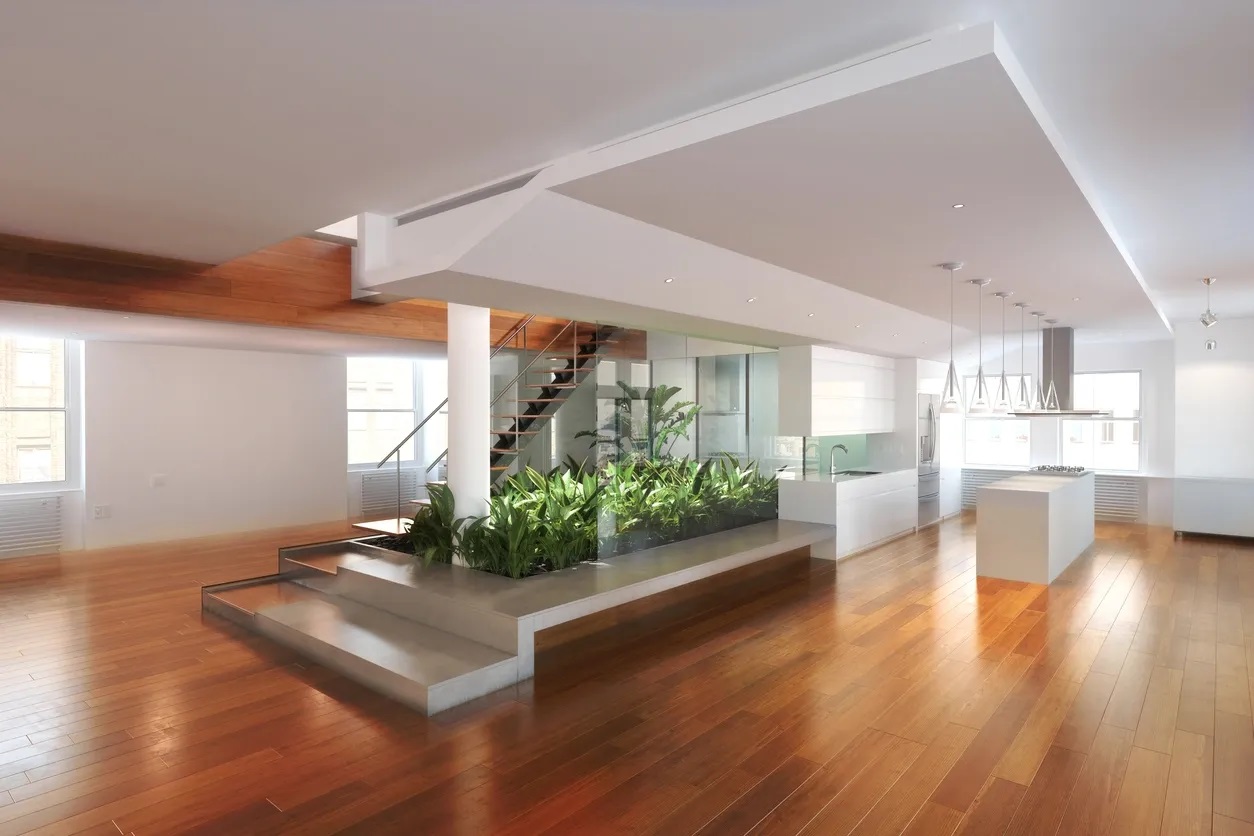
Making the Most of Multi-Flooring Homes
Many homes use a mix of flooring materials to balance function and style across different rooms. While it’s practical to have something durable in kitchens and something softer underfoot in lounges or bedrooms, the joins between these surfaces often go unnoticed during the planning stage. Yet, the way you transition between floors can have a big effect on how spacious and well-designed your home feels.
In spaces where hard flooring is used throughout, such as vinyl flooring in Falkirk, it’s still worth considering transitions. Vinyl may meet tiles, wood, or even concrete, depending on the home’s layout. Creating a clean and purposeful join avoids visual clutter and helps the floor perform better in the long run.
Transition Options and How to Use Them
There are various types of transition strips and profiles that can be used depending on the materials involved. T-bars are commonly used between two hard surfaces of equal height, offering a neat, level finish. Where there’s a slight difference in height, reducer strips slope between the surfaces to eliminate sharp edges or trip hazards.
When joining vinyl to carpet, Z-bars and threshold strips are the go-to solution. These options not only improve the look of the transition but also help protect the edges from wear and fraying. If both surfaces are water-resistant—like vinyl and tile—you may even consider grouting or caulking the join for a watertight seal, especially in bathrooms or utility areas.
Keeping a Cohesive Flow
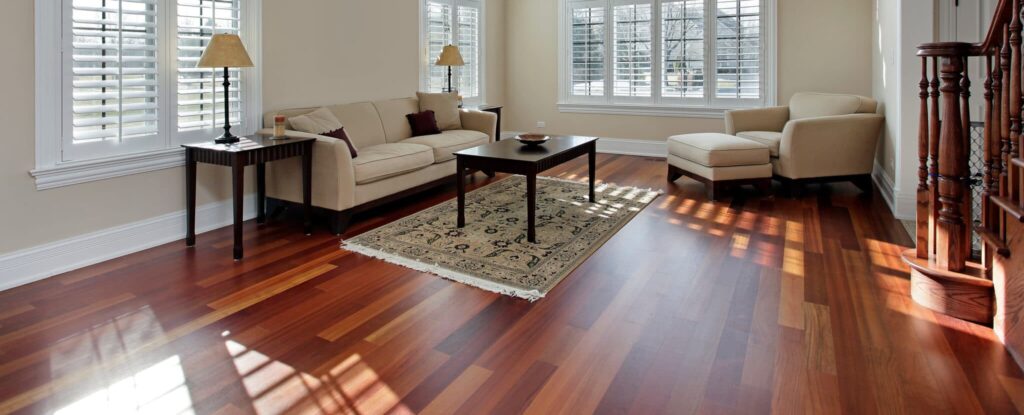
One of the best ways to maintain a sense of flow is to keep colours and tones consistent between flooring choices. Even if the materials are different, similar shades or grain patterns can help tie spaces together. This is particularly effective in open-plan homes, where subtle differences in texture and tone can define zones without using walls or doors.
Directional layout also plays a part. Running the pattern of vinyl flooring in the same direction as adjoining materials can make the transition feel smoother and more deliberate. In contrast, flooring laid at odd angles can make even high-quality transitions feel disjointed.
Small Details That Make a Big Difference
Lighting and floor accessories also influence how transitions are perceived. Natural light can highlight inconsistencies, while artificial lighting can cast shadows along strips or joins. Be mindful of where your light sources fall and aim for a clean finish at each edge.
Don’t forget that transition strips themselves come in a range of finishes, from brushed metal to wood-effect and colour-matched vinyl. Choosing a finish that complements both adjoining materials ensures the transition doesn’t become a distraction. It should feel like part of the design, not a fix or an afterthought.