


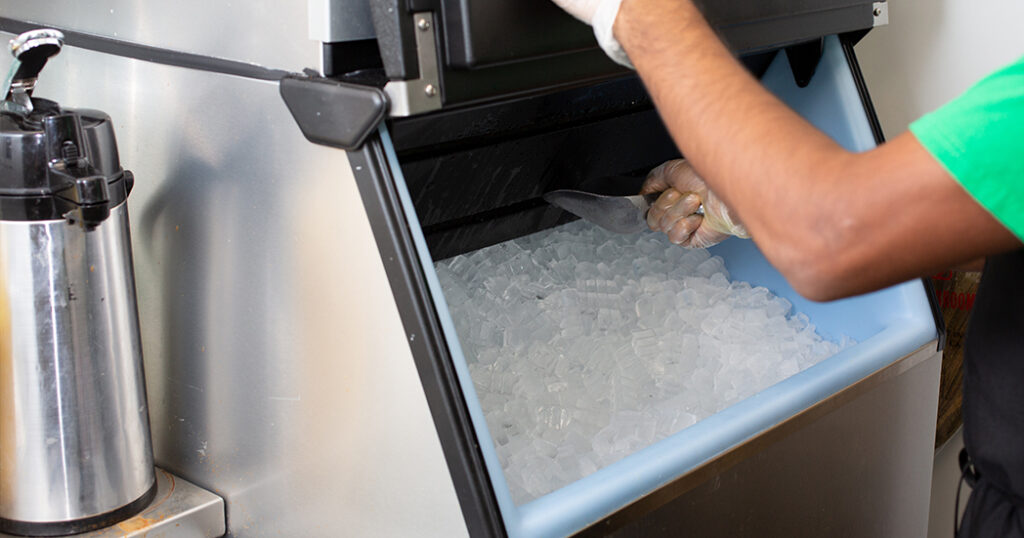
Commercial kitchens rely on ice machines far more than many people realize. From restaurants and cafés to hotels and catering businesses, ice plays an important role in food safety, beverage service, and customer satisfaction. Yet many businesses overlook the importance of routine maintenance until problems begin affecting daily operations.
Ignoring preventative care can lead to contaminated ice, reduced efficiency, higher energy bills, and expensive breakdowns. Scheduling regular servicing helps businesses avoid unexpected interruptions while protecting both equipment performance and hygiene standards. Many commercial kitchen owners also depend on professional services like ice machine repair in Warsaw, IN to address issues before they become major operational problems.
1. Prevents Costly Equipment Breakdowns
Unexpected equipment failure can create major disruptions in a busy commercial kitchen. Ice machines operate continuously throughout the day, which places significant strain on internal components over time. Without regular inspections and cleaning, wear and tear can gradually reduce performance until the system stops working altogether.
Routine maintenance allows technicians to identify small problems early, such as clogged water lines, failing motors, or damaged filters. Addressing these issues before they worsen helps businesses avoid emergency repair costs and operational downtime. Preventive servicing is often far less expensive than replacing major components or purchasing an entirely new unit.
2. Improves Food Safety and Hygiene
Ice is considered food, which means cleanliness standards matter just as much as they do for kitchen surfaces and cooking equipment. Moist environments inside ice machines can encourage the growth of mould, bacteria, slime, and mineral buildup if not cleaned regularly.
Dirty ice machines can contaminate drinks and pose health risks to customers. Regular maintenance includes sanitizing internal components, changing water filters, and removing scale buildup that affects water quality. Businesses that prioritize cleanliness protect their reputation while maintaining compliance with health and safety regulations.
3. Helps Businesses Stay Health Code Compliant
Health inspectors often examine ice machines during routine kitchen inspections. Machines with visible mould, dirty filters, or contaminated ice can result in violations, fines, or negative inspection reports.
Regular servicing demonstrates a proactive commitment to cleanliness and food safety. Professional maintenance records may also help businesses show compliance with recommended cleaning schedules. Many restaurant owners rely on trusted providers offering ice machine repair in Warsaw, IN to keep equipment operating safely and within regulatory standards.
4. Maintains Consistent Ice Production
Restaurants and hospitality businesses often experience peak periods where demand for ice increases rapidly. A poorly maintained machine may struggle to keep up, especially during busy evenings or warmer seasons.
Mineral buildup, blocked airflow, or clogged filters can significantly reduce production capacity. Routine servicing ensures the machine continues producing the right quantity and quality of ice throughout the day. Reliable performance helps staff work efficiently while ensuring customers receive prompt service without interruptions.
5. Reduces Energy and Water Waste
An inefficient ice machine consumes more electricity and water than necessary. Dirty condensers, clogged components, and worn parts force the unit to work harder to maintain production levels. Over time, this increases operating costs considerably.
Regular maintenance helps improve efficiency by keeping airflow unrestricted and ensuring components function properly. Cleaner systems use less energy, produce ice faster, and reduce water waste. For commercial kitchens operating on tight margins, these savings can become significant over the long term.
6. Protects Ice Quality and Taste
Customers expect clean, fresh-tasting ice in their drinks. If an ice machine is not maintained properly, mineral deposits, stale water, or bacterial contamination can affect taste, smell, and appearance.
Routine cleaning removes impurities and ensures that filtration systems continue to function effectively. This improves the overall quality of the ice while enhancing the customer experience. Businesses that rely heavily on beverages, such as bars and cafés, especially benefit from maintaining consistent ice quality.
7. Extends the Lifespan of the Machine
Commercial ice machines represent a significant investment, so extending equipment lifespan should be a priority for any business owner. Consistent maintenance reduces unnecessary strain on critical components and keeps the machine operating under proper conditions.
When internal parts remain clean and properly calibrated, the system does not need to work harder than necessary to produce ice. This reduces overall wear and helps prevent premature component failure. Many businesses that invest in preventive servicing find their equipment lasts several years longer than neglected machines.
8. Supports Smooth Daily Kitchen Operations
Commercial kitchens depend on consistency and speed. When an ice machine fails unexpectedly, staff may need to purchase emergency ice supplies or adjust service operations, which can create unnecessary stress during busy hours.
Preventative maintenance reduces the likelihood of sudden failures and keeps daily workflows running smoothly. Reliable equipment helps kitchen teams focus on customer service and food preparation instead of dealing with operational disruptions.
Signs Your Ice Machine Needs Maintenance
Watch for these common warning signs that indicate servicing may be required:
- Ice has an unusual smell or taste
- Production levels have decreased
- Ice cubes appear cloudy or misshapen
- Water leaks around the unit
- Unusual noises during operation
- Visible mould or slime buildup
- Increased energy bills
Addressing these issues early can prevent more serious damage later.
Frequently Asked Questions
What happens if an ice machine is not cleaned regularly?
A neglected ice machine can develop mould, bacteria, and mineral buildup that affect ice quality and food safety. Over time, dirty components also reduce efficiency and increase the risk of equipment failure. Regular cleaning helps maintain hygiene standards while extending the machine’s lifespan.
How often should a commercial ice machine be serviced?
Most commercial ice machines should be professionally serviced at least twice a year. However, businesses with heavy usage or hard water conditions may require more frequent maintenance. Routine inspections and cleaning help prevent breakdowns and maintain reliable performance.
Can dirty ice machines affect customer health?
Yes. Ice is classified as food, so contaminated ice can expose customers to bacteria, mould, and other harmful substances. Poor sanitation inside the machine may pose health risks and result in failed health inspections if not addressed promptly.
Why is my ice machine producing cloudy ice?
Cloudy ice often results from mineral buildup, poor water filtration, or dirty internal components. Regular maintenance and filter replacement improve water quality and help produce cleaner, clearer ice cubes for beverages and food service.
Does preventative maintenance reduce repair costs?
Preventative maintenance helps identify small issues before they become expensive repairs. Replacing worn parts early and keeping the machine clean reduces stress on components, lowering the likelihood of major breakdowns and emergency service calls.
How long do commercial ice machines usually last?
With proper maintenance, many commercial ice machines can last 10 to 15 years or longer. Regular servicing, cleaning, and timely repairs help maximize equipment lifespan while maintaining efficient operation throughout daily use.
Wrapping Up
Regular ice machine maintenance is essential for any commercial kitchen that depends on consistent performance, hygiene, and efficiency. Preventative servicing helps reduce costly repairs, improve ice quality, lower energy consumption, and protect customer safety. Businesses that prioritise routine care often experience fewer disruptions and longer equipment lifespan, making maintenance a smart long-term investment for reliable kitchen operations.