


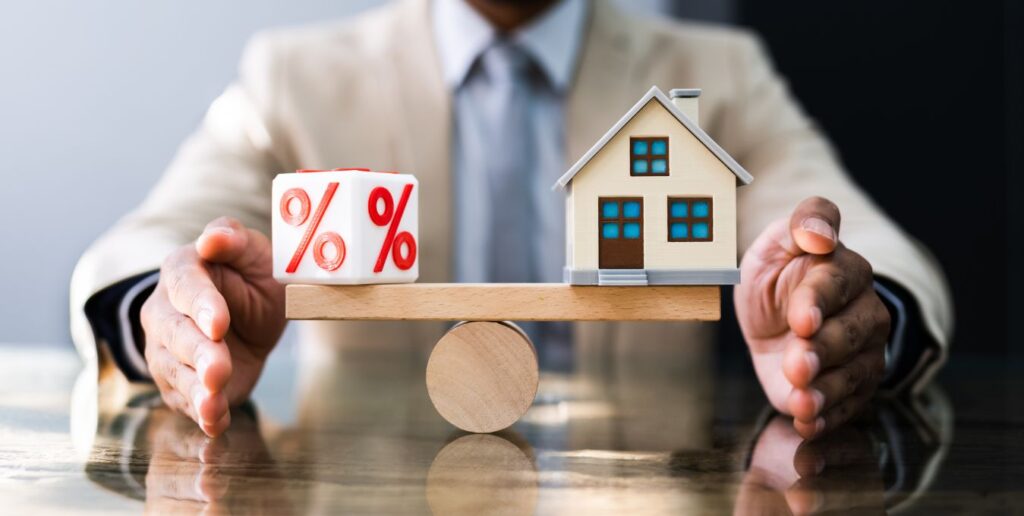
The relationship between interest rates and the real estate market is one of the most critical dynamics in the modern economic landscape. For property owners, aspiring buyers, and seasoned real estate investors, understanding how monetary policy influences property values is essential for making sound financial decisions. Interest rates, which are heavily influenced by the actions of the Federal Reserve, essentially represent the cost of borrowing money. Because the vast majority of real estate transactions rely on debt financing rather than cash, changes in these rates act as a powerful lever that can stimulate or suppress real estate activity.
When interest rates shift, the ripple effects extend far beyond the monthly mortgage payment of an individual homebuyer. It alters buyer purchasing power, reshapes developer profitability, influences rental market dynamics, and reconfigures the capitalization rates that investors use to value commercial assets. Examining these mechanics reveals how a seemingly minor shift in macroeconomic policy can completely transform the trajectory of local property markets.
The Direct Link Between Borrowing Costs and Purchasing Power
The most immediate impact of shifting interest rates is felt at the consumer level, specifically regarding how much home a buyer can afford. When a buyer secures a standard thirty-year fixed-rate mortgage, the interest rate dictates the total cost of that loan over its lifespan.
The Mechanics of Affordability
As interest rates climb, a larger portion of a borrower’s monthly housing payment is allocated toward paying off the interest rather than the principal balance of the loan. For buyers who must adhere to strict debt-to-income ratios imposed by traditional lenders, this shift directly reduces their maximum loan eligibility. For example, a buyer with a fixed monthly housing budget of three thousand dollars can afford a significantly higher purchase price when interest rates are at three percent compared to when they rise to seven percent.
The Suppression of Market Demand
When borrowing costs increase significantly, a substantial segment of potential buyers is priced out of the market entirely. Other buyers voluntarily choose to step to the sidelines, reluctant to take on expensive debt obligations. This reduction in the buyer pool slows down the overall pace of transactions. Properties tend to sit on the market longer, open house attendance drops, and the intense bidding wars that characterize low-interest-rate environments quickly evaporate.
The Relationship Between Interest Rates and Property Valuations
While it seems logical that higher borrowing costs should automatically cause property prices to plummet, the actual correlation between interest rates and real estate values is nuanced and influenced by economic context.
Historical Price Adjustments
In a standard economic model, rising interest rates put downward pressure on home prices. To attract the remaining pool of qualified buyers, sellers must adjust their price expectations downward. However, this downward pressure is frequently counterbalanced by other macroeconomic factors, such as employment rates, wage growth, and overall housing inventory levels. If interest rates are rising because the economy is booming and wages are increasing rapidly, property values may hold steady or even continue to appreciate, albeit at a slower pace.
The Inventory Lock-In Effect
A unique phenomenon occurs when interest rates rise rapidly after a prolonged period of historic lows. Existing homeowners who locked in fixed-rate mortgages at incredibly low rates become highly reluctant to sell their homes. Selling their current property would mean giving up their low-interest loan and taking on a much more expensive mortgage for their next purchase. This dynamic restricts the supply of existing homes entering the market, creating an inventory shortage that can artificially support high property prices despite falling buyer demand.
Impact on Commercial Real Estate and Investment Portfolios
Residential housing markets are heavily driven by consumer sentiment and immediate family needs, but the commercial real estate sector evaluates property strictly through the lens of financial performance and yield. Consequently, commercial assets react differently to interest rate movements.
Capitalization Rates and Investor Yields
Commercial real estate investors rely heavily on the capitalization rate, or cap rate, to evaluate and price properties. The cap rate is calculated by dividing a property’s net operating income by its current market value. There is a strong historical correlation between prevailing interest rates and cap rates.
-
The Adjustment Period: When the risk-free rate of return, such as the yield on US Treasury bonds, increases due to rising interest rates, investors demand a higher yield from real estate to justify the inherent risks of property ownership.
-
Price Adjustments: To achieve a higher cap rate when net operating income remains flat, the overall valuation of the commercial asset must decrease. As a result, periods of rising interest rates often lead to a re-pricing of commercial portfolios, including office buildings, retail centers, and industrial warehouses.
The Cost of Development and Construction
Real estate developers face unique vulnerabilities during high-interest-rate cycles. Developing land and constructing buildings requires substantial short-term financing, often utilizing variable-rate construction loans. When interest rates spike, the cost of carrying this debt increases dramatically, squeezing profit margins and making many planned projects financially unviable. This slowdown in new construction starts eventually restricts long-term housing supply, impacting the market years down the road.
The Ripple Effect on the Rental Market
When interest rates fluctuate, the rental market experiences significant shifts in demand as the boundary between renting and owning shifts.
Increased Demand for Rental Units
When high interest rates price prospective buyers out of the single-family home market, those individuals do not disappear; they simply remain renters for a longer period. This influx of extended-tenancy renters increases overall demand for apartments, townhomes, and single-family rental properties.
-
Upward Pressure on Rents: If housing supply remains tight, this heightened demand allows landlords to increase rental rates, improving the net operating income of existing investment properties.
-
The Landlord’s Balance: However, landlords seeking to expand their portfolios during this time must face the same high borrowing costs as residential buyers, meaning that any gains in rental income could be entirely offset by higher mortgage expenses on new acquisitions.
Frequently Asked Questions
Why do interest rates fluctuate, and who controls them?
Interest rates are primarily influenced by the Federal Reserve, the central bank of the United States. The Federal Reserve adjusts the federal funds rate, which is the interest rate banks charge one another for overnight loans. While the Fed does not directly set mortgage rates, changes in the federal funds rate influence the broader financial markets, including the yield on the ten-year US Treasury bond, which serves as the primary benchmark for standard fixed-rate mortgages.
What is the difference between a fixed-rate and an adjustable-rate mortgage during a shifting rate environment?
A fixed-rate mortgage locks in a specific interest rate for the entire duration of the loan, usually fifteen or thirty years, ensuring that the borrower’s principal and interest payment never changes. An adjustable-rate mortgage, or ARM, features an initial period of fixed interest followed by periodic adjustments based on prevailing market rates. In a rising rate environment, borrowers with ARMs face the risk of their monthly payments increasing significantly once the adjustment period begins.
How does inflation tie into the relationship between interest rates and real estate?
Inflation and interest rates are deeply interconnected. The Federal Reserve typically raises interest rates to combat high inflation by cooling down economic activity and reducing consumer spending. Real estate is historically viewed as a hedge against inflation because property values and rents generally rise during inflationary periods. However, the interest rate hikes designed to curb that inflation simultaneously increase borrowing costs, creating a balancing act for property values.
Do high interest rates present any unique opportunities for cash buyers?
Yes, high-interest-rate environments offer distinct advantages to buyers who possess significant cash reserves and do not need to rely on financing. Because high rates reduce overall buyer competition and cause properties to stay on the market longer, cash buyers can often negotiate substantial price discounts, secure favorable contract contingencies, and acquire premium assets without facing competitive bidding wars.
How long does it typically take for an interest rate hike to affect home prices?
The transmission of monetary policy into real estate prices is not instantaneous; it typically features a lag of six to twelve months. When interest rates first rise, there is often a period of stagnation where buyers pull back but sellers remain hesitant to lower their asking prices. Over time, as inventory accumulates and motivated sellers face prolonged market times, price corrections become visible in market data.
Can a buyer refinance their mortgage if interest rates drop in the future?
Yes, homeowners who purchase a property during a high-interest-rate period can choose to refinance their loan later if market rates decline. Refinancing involves replacing the existing high-interest mortgage with a new loan at the lower prevailing rate. This strategy allows buyers to acquire a property at a lower purchase price during a slow market and subsequently reduce their monthly housing costs once rates improve.